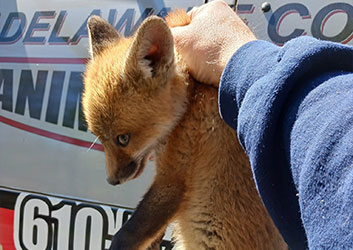
Winter pushes wildlife to look for warmth, food, and shelter. Your attic, crawlspace, and shed start to look inviting to raccoons, squirrels, mice, bats, and even foxes. A few smart fixes before the first hard frost can spare you chewed wires, droppings, and costly repairs. This guide walks you through eight clear steps to wildlife-proof your place. We’ll keep tools simple, explain a few technical terms, and focus on what actually works when temperatures drop. You’ll learn where animals enter, how to block those paths, and how to remove the outdoor “invites” that draw them in. Most tasks are simple weekend jobs. Bring in a licensed wildlife company for tricky roof work or active infestations so the work is safe, legal, and humane.
1. Seal Gaps, Cracks, and Utility Entry Points
Most winter intrusions start with a gap the size of a finger. Start with a slow walk around your home at dusk with a flashlight. Look for light leaking out or cold air leaking in. Focus on places where cables, gas lines, and pipes pass through walls. Small openings let mice and bats squeeze through, and larger gaps invite squirrels or raccoons.
- Use polyurethane exterior caulk for rigid materials (brick, stone, wood).
- Pack deep gaps with backer rod first, then seal over it.
- For rough holes, stuff copper mesh (rodent-resistant) before sealing.
- Cover large pipe penetrations with metal escutcheon plates and seal edges.
Skip spray foam as a standalone fix outside; many animals chew right through it. Foam is fine only as a backing material behind metal flashing or hardware cloth. For door thresholds, aim for no daylight. If you can slide a coin under a door, install an adjustable threshold or door sweep. Check basement window frames and replace cracked glazing to stop wiggle room at the glass.
2. Screen Vents, Soffits, and Chimney Openings
Vents are critical for healthy airflow, but they must be screened well. Bats, birds, and squirrels often slip in through damaged soffits or loose vent screens. Your goal is to keep airflow while blocking entry.
- Cover attic and crawlspace vents with galvanized hardware cloth with ¼-inch openings or smaller.
- Fasten screens with corrosion-resistant screws and washers, not staples.
- Cap chimneys with a stainless or galvanized chimney cap that includes wildlife-rated mesh.
- Use a louvered vent cover; avoid fine mesh on dryer vents because it traps lint.
Inspect soffit panels where rooflines meet walls. Replace any cracked or missing panels and secure them with screws. On gable vents, back the decorative louvers with hardware cloth from the inside so they look clean.
3. Fortify Roof Edges, Eaves, and Attic Access
Cold winds lift loose shingles and give raccoons leverage to pry their way in. Roof edges, eaves, and attic hatches are common trouble spots once snow loads and ice form.
- Install drip-edge flashing along exposed roof edges to remove lift points.
- Replace broken or lifted shingles and secure ridge caps that moved in storms.
- Back weak soffit joints with metal flashing and exterior-grade screws.
- Weatherstrip the attic hatch and add a latch so it closes tightly.
While up there, check that ridge vents have end caps and intact baffles. Wildlife often tests those edges on windy nights. Inside the attic, look for daylight at corners, gnaw marks on rafters, droppings, and compressed insulation that shows traffic paths. If you see any signs, seal from the outside after confirming no animals are inside.
4. Secure Foundations, Decks, Crawlspaces, and Access Doors
The space under a deck or porch feels safe to many animals once snow starts piling up. The best fix is a buried barrier that blocks digging and creates a long-term shield.
- Trench around the deck or shed and install hardware cloth in an L-shape: down into the soil, then outward.
- Use galvanized hardware cloth (stiff wire mesh) to resist corrosion.
- Backfill with soil and gravel to keep the mesh anchored and drain water.
- Upgrade crawlspace doors with solid frames, tight latches, and weatherstripping.
Seal hairline cracks in the foundation with masonry crack sealant to stop mice from widening them. For larger openings, use mortar in a piece of hardware cloth as a “stone” and skim over it. Check older foundation vents; replace the entire assembly if the louvers are bent or missing screens.
5. Protect Sheds, Garages, and Outdoor Storage Areas
Detached buildings are often the first stop for visiting wildlife because they are quieter and easier to enter. If you leave birdseed or pet food inside, a mouse gap at the garage door becomes a winter base camp.
- Install rodent-resistant door sweeps on entry doors and a fresh bottom seal on the overhead door.
- Seal the slab-to-wall joint where you can see daylight.
- Store seed, feed, and garbage bags in lidded metal bins.
- Screen gable vents and roof openings with ¼-inch hardware cloth.
Look up; garage ceilings often hide penetrations where wires or pipes pass to the house. Seal those gaps to stop movement between structures. If the garage door rails leave a triangle of light at the corners, add a threshold kit that mates with the bottom seal. Add skirt boards and a buried L-shaped mesh barrier for sheds on blocks.
6. Manage Food, Trash, and Pet Attractants Outdoors
Food smells bring animals closer than any gap or crack ever will. Tight storage and clean habits make the rest of your work pay off.
- Use animal-resistant trash carts with locking lids; secure latches after each use.
- Rinse recycling; leftover sugar draws rodents and raccoons fast.
- Move bird feeders away from the house and sweep spilled seed often.
- Clean the grill after cooking; store grease trays empty.
Feed pets indoors when you can. If you must feed outside, remove bowls right after meals. Keep compost in closed tumblers, not open piles that steam in winter and act like beacons. Never leave pet doors unlocked at night without an electronic collar sensor; curious wildlife will test them. If you keep chickens or rabbits, upgrade enclosures with hardware cloth rather than chicken wire, which many predators can tear or chew.
7. Trim Trees, Clear Clutter, and Yard Brush
Overhanging limbs and stacked clutter form natural highways and hideouts. Cleaning these routes breaks the chain from yard to siding to attic.
- Keep tree branches well away from the roof and overhead lines.
- Thin dense shrubs near the house so there’s light and airflow.
- Stack firewood on racks, away from walls and off the ground.
- Remove leaf piles and yard debris that trap heat and moisture.
Consider a narrow gravel strip next to the foundation so burrowing animals meet a rough, open edge rather than soft mulch. Check fence lines for low spots where animals slip under; pack with soil and stone, or add a short apron of hardware cloth on the inside edge.
8. Plan Monitoring, Routine Maintenance, and Professional Help
Wildlife-proofing is strongest when you keep an eye on things. A short checklist saves time and catches problems before they cause damage.
- Make a monthly loop: doors, vents, roof edges, foundation, sheds.
- Set sticky-note reminders for filter changes and vent checks.
- Sprinkle a light dusting of flour along suspected paths; look for tracks.
- Keep a small photo log of repairs so new gaps stand out fast.
Inside, listen for scratching at dusk and dawn, and look for fresh droppings near the attic hatch or in the garage. If you suspect activity, do not trap or poison on your own; there are legal rules for protected species, and improper methods push animals deeper into walls.
Conclusion
In conclusion, the eight steps in this blog give you a simple, practical plan: seal gaps, screen vents, reinforce roof edges, secure decks and crawlspaces, tighten up sheds and garages, control food and trash, clear yard routes, and keep a regular checkup routine. Each step blocks the familiar paths and signals that draw animals when temperatures drop. Tackle what you can now, then reassess after the first cold snap. If you spot droppings, tracks, or noises in walls or the attic, pause sealing and call a licensed wildlife specialist. When the job calls for skilled help, Media Animal Control is ready with humane removal and exclusion, backed by repair and prevention work that lasts. We handle urgent problems and long-term fixes so your home stays secure through winter and beyond.